
Gathering Momentum & Buy-in for Pharmacist Prescribing of Contraception
Pennsylvania has not yet adopted a policy allowing pharmacists to independently prescribe contraception. PA Catalyst is working with pharmacists across the state to identify the opportunities, challenges, and supports needed to inform future policy decisions and expand access to contraceptive care.

Why Pharmacist Prescribing?
Pharmacist Prescribing Policies Make It Easier for People to Get the Care They Need, When They Need It
Allowing pharmacists to independently prescribe contraception creates an additional pathway to care through community pharmacies. Research shows that these policies can reduce delays in care and expand access for those who may face challenges obtaining care through traditional healthcare settings, including people in rural communities and minor adolescents.
Clinic-Based Care Leaves Too Many Pennsylvanians Without Access
86% of Pennsylvanians have used birth control at some point in their lives, yet getting a prescription from a clinic can be difficult, especially for those who need no- or low-cost care.
Of Pennsylvania’s 67 counties, 11 have no publicly funded clinics, and nearly all have more women in need than their clinics can serve. As a result, 773,500 Pennsylvania women live in a contraceptive access gap.
Where Pennsylvania Stands
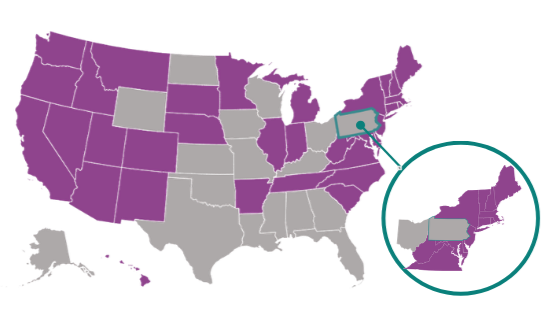
As of December 2025, 33 states and Washington, DC, have adopted policies that allow pharmacists to prescribe contraception. PA has not and is increasingly a regional outlier as all neighboring states allow pharmacist prescribing, with the exception of Ohio.
Getting Pennsylvania Ready for Pharmacist Prescribing
PA Catalyst is conducting research to understand how pharmacist-prescribed contraception could work in real-world settings across Pennsylvania. By studying implementation before legislative action is taken, we are generating evidence that can inform future policy efforts and help ensure they reflect pharmacists' expertise and real-world needs.
Use the icons below to learn how we're building the evidence base for pharmacist-prescribed contraception in Pennsylvania.

Surveying Pennsylvania Pharmacists

Convening a Panel of Local & National Pharmacy Experts

Piloting Pharmacist-Prescribed Contraception in Community Pharmacies

Statewide Survey of Pharmacists Experiences with & Interest in Prescribing Contraception
National research suggests that pharmacists are interested in providing contraceptive care and feel confident in many of the responsibilities associated with prescribing contraception. However, little is known about how pharmacy professionals in Pennsylvania view this potential role.
Our statewide survey of 397 pharmacists, pharmacy technicians, and pharmacy trainees assesses their interest in, readiness for, and capacity to provide contraceptive prescribing services if Pennsylvania were to adopt such a policy in the future.
The vast majority of respondents supported pharmacist-prescribing of contraception.
KEY FINDINGS

89% of respondents reported that rural patients will particularly benefit from pharmacists being able to prescribe contraception
Pennsylvania pharmacy teams are interested in providing contraceptive services and believe doing so could make a real difference in the communities they serve.
MAIN TAKEAWAY
Our survey respondents shared existing strengths that could support this care model, including pharmacists’ personal beliefs, patient preferences, and pharmacies that already have private counseling space. They also identified barriers, such as staffing, limited time, increased personal liability, and reimbursement concerns.
In our upcoming demonstration project, we will look for ways to build on these facilitators and test feasible solutions to the barriers.
Guided by Our Expert Panel

To ensure our work effectively identifies and addresses pharmacists' needs, we convened an expert panel of 10 pharmacy leaders from Pennsylvania and states where pharmacist-prescribing policies have already been implemented.
Throughout the initiative, this group has provided our researchers with valuable feedback on our study design, recruitment strategies, and how our findings could inform our future implementation efforts.
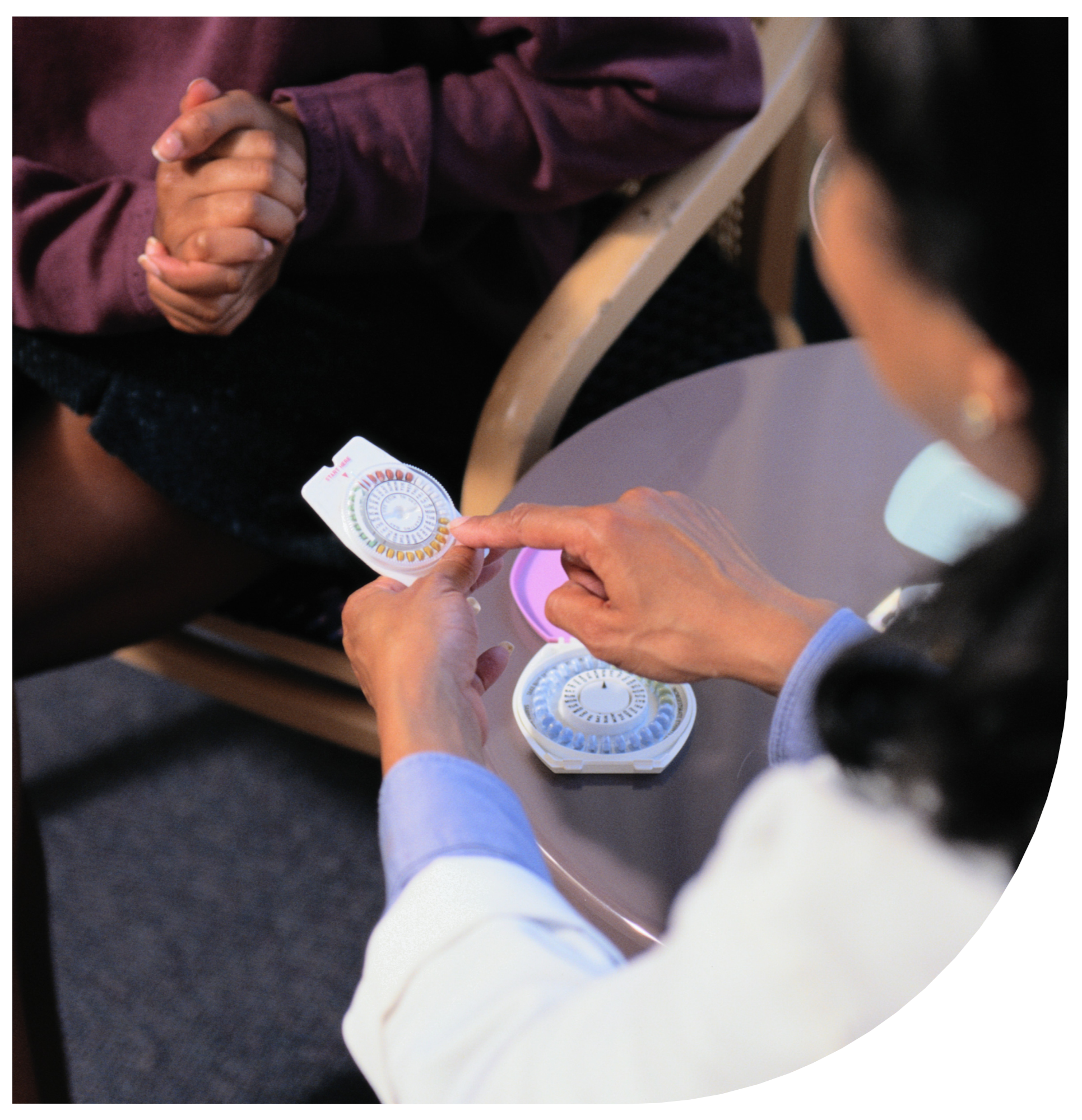
To better understand how pharmacist-prescribed contraception could work in Pennsylvania, we will conduct a demonstration project in community pharmacies across the state.
Drawing on insights from our prior research activities and lessons learned from states with established pharmacist-prescribing programs, this project will generate evidence on how this new model of care could be implemented effectively, sustainably, and at scale in Pennsylvania.