
Gather momentum & buy-in for pharmacist provision of contraception in PA
Team: Kelsey Hake, Luke Berenbrok, Deirdre Quinn, Carrie Haney, Kate Kelsey, Dana Loll, and rotating pharmacy trainees
The ability to access and use contraception is essential to supporting people’s reproductive autonomy and helping them to actualize reproductive decisions related to if, when, and under what circumstances to get pregnant and/or have children. One proven strategy for expanding access to contraception is allowing pharmacists to independently prescribe contraception. Contraception provided by pharmacists is safe, effective, and expands access to new users. In the US, 36 states and the District of Columbia currently allow pharmacist prescribing of hormonal contraception, though processes for service delivery vary by state. Pennsylvania has not yet adopted policy related to pharmacists prescribing contraception.
Research has shown (1) community pharmacists can effectively screen individuals for safe use of contraception, (2) women accessing this service were satisfied and would continue it, and (3) this practice is safe and expands access. Pharmacists nationally are interested in providing contraception services and report feeling comfortable with steps to prescribing – including assessing a patient’s medical history and educating patients on various contraceptive methods.

How are we doing this?
We developed and distributed a state-wide survey of pharmacy team members (pharmacists, student pharmacists, and pharmacy technicians) across PA. We have been recruiting participants since late February 2026, including (1) at an in-person conference of the Pennsylvania Pharmacists Association, (2) by mail through two rounds of postcard and magnet mailing, and (3) online through email, newsletter, and social media.
In Year 1, we have been collecting and reviewing existing research and implementation tools from states that have successfully implemented pharmacist provision of contraception. Informed by these data and tools, we have begun developing a tailored PA implementation plan. In Year 2, we plan to launch our project at 8-10 community pharmacies located in Allegheny County.
Expert Panel
Quarterly meetings were held in December 2025, and May 2026, and September 2026. During the first meeting, panelists (1) provided shared general overviews of their experiences with pharmacist prescribing of contraception; (2) provided feedback on our survey instrument; and (3) suggested potential avenues for participant recruitment. During the second meeting, our team presented preliminary findings from our statewide survey of pharmacists and solicited feedback from panelists on how survey findings might inform future implementation efforts. For the third meeting, we solicited feedback from the panelists about our planned demonstration project.

What have we found?
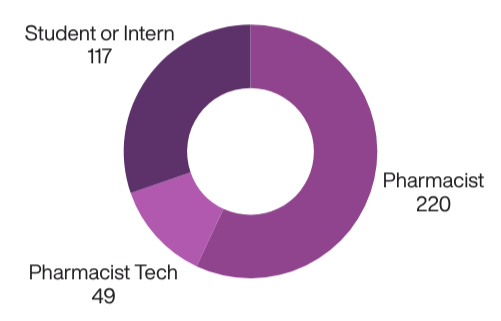
As of 8-10-26, we have n=320 completed surveys (our target sample size is 500). We have collected responses from 173 pharmacists, 33 pharmacy technicians, and 114 student pharmacists/interns from across the state of PA. Participants are overall highly supportive of pharmacist provision of contraception, with 85.4% agreeing that pharmacists are well-positioned to prescribe contraception and 88.2% agreeing that rural patients will particularly benefit from this service.
The top identified barriers to implementing pharmacist provision of contraception in PA include: staffing, current responsibilities (time), increased personal liability, and concerns about reimbursement. The top identified facilitators include: pharmacists’ personal beliefs, patient preferences, and facilities that are already equipped with appropriate and available space for providing private counseling.
How does this Impact PA?
Throughout each of the research activities under this Aim, we will be collecting outcome and process data to inform PA policy development and potential future implementation efforts. Potential impacts of a policy allowing pharmacists to prescribe contraception include: expanded access to rural communities and to minors (both of which groups may benefit from additional pathways to access); and expanding PA pharmacists’ scope of practice, which benefits not only pharmacists (by enabling them to practice at the top of their field) but also benefits other clinical colleagues and patients.

Publications
Letter to the Editor
“Lessons for the remaining U.S. states seeking pharmacist authority to prescribe self-administered hormonal contraceptives”
Does your work align with PA Catalyst?
Are you interested in learning more about what we do?
